
Race day is one part of the work. The rest happens in the weeks that lead up to it.
The right gear can support that work. A versatile daily trainer can move between everyday miles and quicker sessions. A more specialized shoe can come into the rotation when the workout calls for it. Running apparel should handle the conditions without becoming the thing you think about for the next eight miles.
But the gear serves the training. The training is still yours.
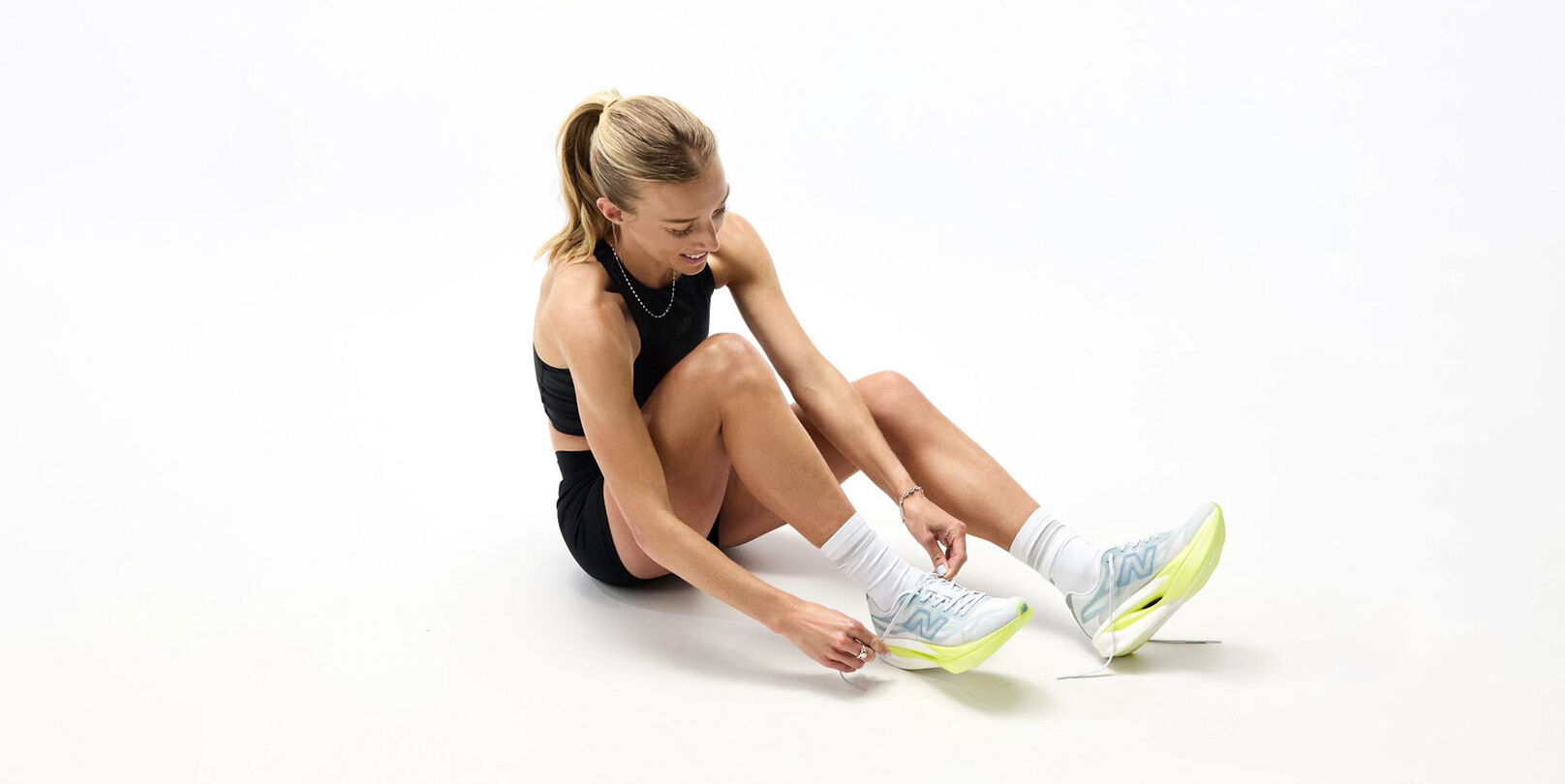
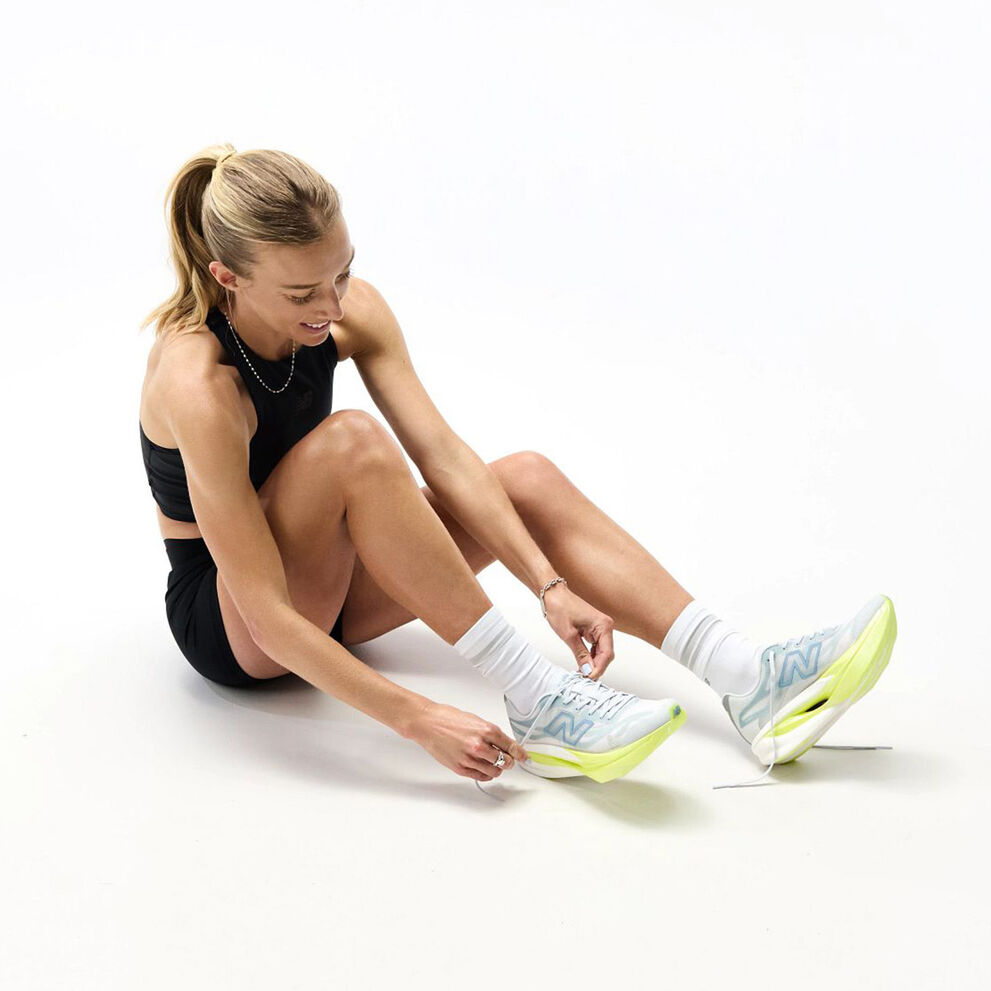
How should competitive runners structure daily training?
What is competitive daily training?
Competitive daily training is the consistent mix of easy runs, longer efforts, speed workouts and recovery that support a runner’s race goals over time.
“Competitive” does not mean every session should be hard. A useful training week asks different things from you on different days. Some runs build volume. Some introduce speed. Some give you space to recover so you can do quality work again.
The value comes from putting those sessions together repeatedly. One spectacular workout does not make a training cycle. Weeks of purposeful, consistent effort do.


How many days per week should runners train?
There is no single weekly running frequency that works for every runner. A general schedule may include several running days each week, but the right number depends on your experience, goals, current mileage, recovery needs and the plan you are following.
A better rule is to build a schedule you can sustain. The right training week should give you enough work to move toward your goal and enough recovery to come back ready for the next important session.
What types of workouts make up competitive daily training?
A race-focused training plan may include easy runs, longer runs, tempo or threshold work, intervals and recovery sessions. Each has a different job.
Easy running helps you accumulate mileage without asking every day to become a major effort. Long runs prepare you for extended time on your feet. Tempo-style sessions introduce sustained quicker running. Intervals break faster work into repeatable segments with recovery between them.
You do not need every type of workout every week. Training works better when each session has a reason to be there.
What is a tempo run?
A tempo run is a sustained effort performed at a controlled, challenging pace rather than an all-out one. The exact pace and duration depend on the runner and the training plan, but the defining idea is control.
You are running a purposeful, sustained effort that challenges you to hold pace without turning the session into an all-out run.
For workouts that move between daily mileage and quicker running, the New Balance FuelCell Rebel v5 offers an everyday-trainer option built to handle long, steady runs as well as quicker efforts.
When should runners add interval training?
Interval training can be useful when your plan calls for focused periods of faster running separated by recovery.
Many runners include one faster or interval-focused workout within a training week, while more experienced runners may use them more frequently depending on their plan and recovery. Frequency should reflect your experience, race distance, overall training load and ability to recover.
When faster work is part of the session, the focus should be on completing the planned efforts with control and consistency.
How should runners choose shoes for competitive daily training?
What shoes work for tempo runs and interval training?
A faster daily training shoe should feel comfortable at training pace while giving you the kind of ride you want when the effort increases.
The FuelCell Rebel v5 and SC Rebel fill different roles. The Rebel v5 is an everyday trainer that can move between long, steady runs and quicker efforts. The SC Rebel brings a more responsive feel to everyday training, using Infinion foam technology and a precision-engineered propulsion plate.
How do the featured New Balance products compare?
| Product | Suited to | Key details |
FuelCell Rebel v5 | Daily training, tempo runs and quicker long-run efforts | FuelCell midsole; 6 mm drop; approx. 35 mm heel/29 mm forefoot stack. Due to variances created during the development and manufacturing processes, all references to drop heights are approximate. |
SuperComp Rebel | Uptempo runs, intervals and faster daily training | Infinion foam technology; precision-engineered propulsion plate; approx. 4 mm drop; weight approx. 222 g/7.8 oz. (one shoe, 7W or 9.5M). Due to variances created during the development and manufacturing processes, all references to drop heights are approximate. |
RC Essential Short | Warm-weather runs, faster workouts and daily training | Four-way stretch; built-in brief; NB DRY fast-drying technology wicks moisture away from your body; back zip pocket and internal drop-in pockets |
RC Bra | Running and higher-movement workouts | Full support; NB DRY fast-drying technology wicks moisture away from your body; built-in padding with encapsulation; NB Sleek 4-way stretch fabric |
RC Jacket | Early starts, wind, light rain and changing conditions | Nylon ripstop; Water resistant coating for light rain resistance; packable hood and zippered hand pockets |
RC Pocket Legging (Women’s) | Cooler-weather runs, high-intensity workouts and layering | NB DRY fast-drying technology wicks moisture away from your body; NB Sleek 4-way stretch fabric; side drop-in pockets; internal infinity drawcord; reflective details at bottom hem |
RC Pocket Tight (Men’s) | Cooler-weather runs, high-intensity workouts and layering | NB DRY fast-drying technology wicks moisture away from your body; NB Sleek 4-way stretch fabric; side drop-in pockets plus back zip pocket; external drawcord; functional ankle zippers; reflective NB logo |
What is the difference between the FuelCell Rebel v5 and SuperComp Rebel?
The biggest difference is their intended role.
The FuelCell Rebel is an everyday trainer built to move between long, steady runs and quicker efforts. Its lightweight construction and FuelCell midsole make it a versatile option for runners who want one shoe to cover both everyday mileage and faster sessions.
The SC Rebel brings a more competitive feel to everyday training. Its Infinion foam in the midsole is designed to provide enhanced energy return and cushioning, while a carbon-infused plate built specifically for daily running helps create a propulsive feeling underfoot. A thin, lightweight outsole adds reliable, durable traction.
If your weekly training includes several different intensities, consider how much specialization you want from each shoe in your rotation.
Do competitive runners need a shoe rotation?
A shoe rotation can be useful when your training includes different types of runs and you want different shoes to support those sessions.
Some runners prefer one dependable daily trainer, while others add a more specialized shoe for faster work. A simple two-shoe setup might pair the FuelCell Rebel v5 for everyday miles with the SC Rebel for quicker sessions.
When you do rotate, both your body and your gear benefit. Resting a pair gives the midsole foam time to fully decompress, extending the shoe's lifespan.
Different shoes can bring different benefits to the workouts in your week, giving you the option to choose a ride that fits the session ahead.
How should runners choose apparel for competitive daily training?
What running apparel works for competitive daily training?
Apparel for competitive daily training has the same job as the shoes: support the session without stealing attention from it.
For warm-weather runs and faster sessions, the RC Essential Short uses four-way stretch fabric with a built-in brief and NB DRY fast-drying technology. The RC Bra is designed for full support during high-bounce activities like running, with built-in padding with encapsulation and NB Sleek four-way stretch fabric.
For cooler runs, the RC Pocket Legging or Tights use NB Sleek four-way stretch fabric and NB DRY fast-drying technology. When wind or light rain joins the workout, the RC Jacket adds a lightweight recycled-nylon-ripstop outer layer with a DWR coating for light rain resistance and a packable design.
The goal is apparel that supports the session without becoming a distraction.
Why does moisture management matter during harder runs?
As effort increases, so do heat and sweat. Moisture-managing running apparel helps keep damp fabric from clinging or chafing as a workout gets longer, warmer, or faster.
New Balance uses NB DRY fast-drying technology that wicks moisture away from your body in select RC apparel.The RC Essential Short and RC Pocket Leggings and Tights both feature NB DRY technology.
The harder the session, the less interested you become in negotiating with your shirt.
How should runners dress for competitive training in changing weather?
Build around layers you can adjust as the run changes.
A cool start can be deceiving; the classic runner’s rule of thumb is to dress as if it’s 15 to 20 degrees warmer than the thermometer says. Start with a moisture-managing base layer close to the body, adjust your coverage based on temperature, and throw on a lightweight outer layer when wind or light rain calls for it.
The RC Jacket, RC Essential Short, RC Bra, RC Pocket Legging and RC Tight can be combined differently depending on the workout and conditions. Dress for the work ahead. Not just the five minutes before it.
How can runners build consistency into daily training?
How do you stay consistent when motivation disappears?
Stop requiring motivation to be present. Motivation is useful. A routine is more dependable.
The most useful training habits remove decisions before the run begins:
· Schedule workouts on specific days
· Prepare clothing and shoes ahead of an early run
· Know the purpose of the session before you start
· Keep easy days easy enough to support the rest of the week
· Run with a group or training partner when accountability helps
· Track enough of your training to recognize patterns without turning every run into a data project
Competitive daily training includes plenty of ordinary days, and those sessions are where much of the consistency is built.
Good routines make starting easier. After that, your legs get a vote.
The work before the race.
Competition gives training a destination. It does not make every day a competition.
The fitness you take to the start line comes from everything that happened before it: easy miles you did not turn into workouts, hard sessions you ran with purpose, recovery you respected and weeks you kept putting together when no one was watching.
Choose gear that supports those sessions. Use the FuelCell Rebel v5 when you want versatility. Bring the SC Rebel into more specialized workout days if that fits your training. Choose RC apparel that works with the weather and effort.
Then let the products do what good training gear should do and go do your thing.
